"The neighbor's 4-year-old child already knows how to play chess, my 6-year-old child can late?" Short answer: it's not late, and there's no age requirement either. The important thing is whether the baby is ready and whether the teaching method is appropriate for the baby's age.
This lesson goes through each age milestone, the signs of readiness that parents can check for themselves at home, how to teach their baby, the amount of time each day and when to find a club or teacher.
Signs your baby is ready to learn chess
Before looking at age, try the small things below. If your child can do most of it, he or she can begin to:
- Distinguish between left and right. Chess pieces follow directions, and the child needs to understand "two squares to the right".
- Count up to 8. The chess board has 8 rows and 8 columns; The child will count the boxes a lot.
- Sit down and play a game for about 10–15 minutes without constant reminders, for example, puzzles or matching pictures.
- Follow the simple rules of the game and wait for your turn, like when playing fish horse.
- Recognize straight and diagonal lines on a piece of graph paper.
- Lose a game without getting too upset, or calm down after a few minutes.
If your child doesn't get it, don't worry. A few months later, try again, and in the meantime, keep playing the small games below to help your baby get used to the chess board.
3–4 years old: getting used to it, no need to learn the rules yet
At this age, most babies cannot keep many rules in mind at the same time. The goal is not to play chess, but to let your child see the chess board and chess pieces as fun, familiar things.
- Name the pieces like a character: King wears a crown, Knight is a horse, Rook is a tower.
- Play by placing the pieces in the correct row, counting how many Pawn there are.
- Game "find the box": father Mom shows a box, baby puts pieces on it.
5-10 minutes at a time is enough. If your child wants to use chess pieces to play with toys, let them play. Liking chess pieces is the first step.
5–6 years old: learn each piece one by one
This is the age when many children begin to learn systematically. Your baby is better at counting, understands simple rules and enjoys challenges that involve winning or losing. But you should still teach in a trickle style: one piece per week, and not yet play a full game of 32 pieces.
Easy order for children: Rook (straight), Bishop (diagonal), Queen (combining the above two ways), King (one square), Knight (L-shaped), Pawn (most private rules). For each piece, put it alone on the table and ask your child "Can you point out the squares it can move".
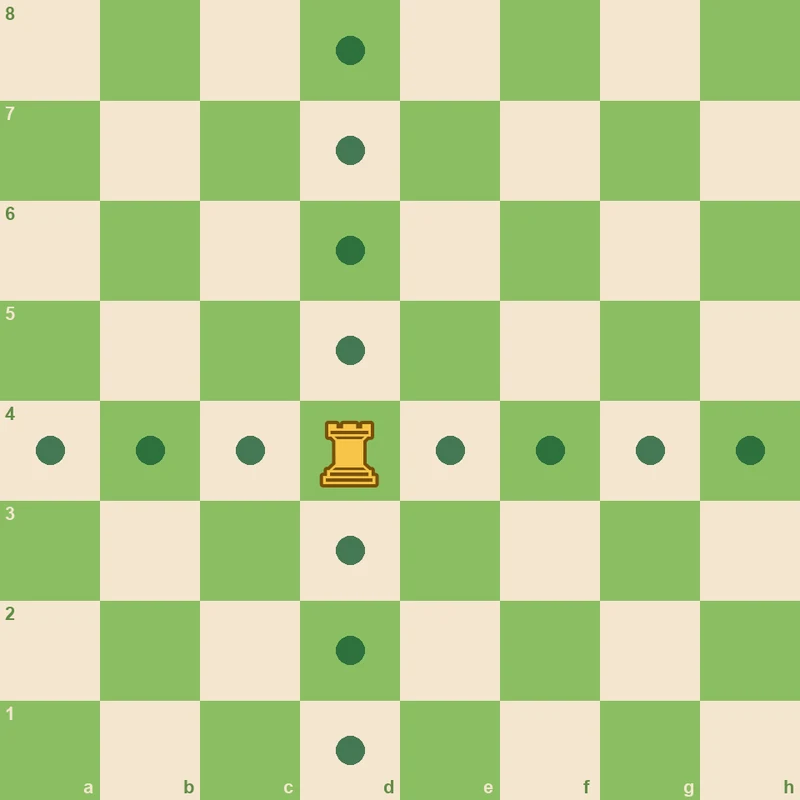
Suggested game for this age: place a white Rook and a few scattered black pieces, the child must use Rook to destroy all the black pieces with the fewest moves. The baby practices walking without seeing that he is learning. The detailed moves of every piece are in the lesson Guide to playing chess for children.
7–9 years old: play the full game and solve the exercises
7–9 year old children often learn significantly faster. After a few weeks of understanding how to walk, your baby can learn mats, checkmate, castling, promotion and start playing full boards with parents or friends. The special rules are explained in the lesson Check, checkmate and special rules.
This is also where the exercise comes into play: checkmate in 1 move, find the move Knight attacks two pieces at the same time, captures the piece without being captured again. Children this age often like the feeling of "solving a puzzle", so an exercise every day can be more attractive than a game of chess.
10 years and older: not too late
Older children start later than their friends but in return learn much faster. Your baby can learn all the moves in a few sessions, switching to strategies like double attacks, pins, middle moves and simple endgames in the first few months.
For babies this age, let them choose their own goals: want to beat dad, want to join the school chess team, or just want to play with friends. Goals set by children themselves keep motivation longer than goals set by adults.
How can a child learn chess properly?
One piece at a time, don't rush to match
Children will only move to a new piece when they have played the same piece without being reminded. If your child confuses Bishop with Rook, go back for a session or two with those two pieces alone. Slow but steady is better than fast but mixed.
Good fight good game
This is a classic game to teach Pawn and is also the ideal "first game" for 5–6 year olds. Each side has only 8 Pawn standing in the starting position (white Pawn row 2, black Pawn row 7). The two sides took turns following the law Pawn. Whoever gets a Pawn to the back row first wins; If one side runs out of pieces or has no moves left, the other side wins.
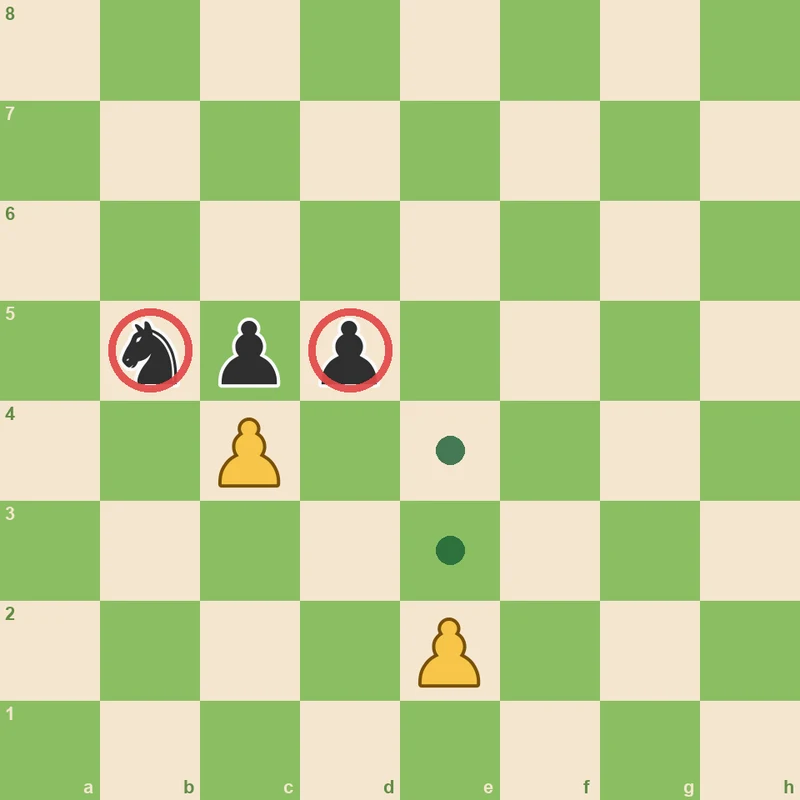
The game is short, only a few minutes, but teaches the child three core things: Pawn goes straight but crosses, if Pawn is blocked, then Stand still, and have to think about whether your troops will be captured or not. When your child wins this game a few times, add one more piece, for example, one Rook on each side, then gradually move to a full game.
Let your child win just enough
The child needs the feeling of winning to want to continue playing. Parents can play with handicaps, for example removing their Queen, instead of intentionally going wrong. The child will really win, with his own moves.
How long should he study each day according to his age?
General rule: short, even, and ends when the child is still young want to play. A child who stops with the feeling of "Let's continue playing tomorrow" will come back; A child who is kept until he gets bored will avoid the chess board.
Should the child learn from a club or a teacher?
It is not required, especially in the early stages. Children can completely learn how to walk, basic rules and strategies at home, even if parents don't know how to play yet. The specific roadmap is in the article Children learn chess at home.
The club or teacher is effective when:
- The child can play a full game and wants to have a friend of the same level to compete with.
- The child asks questions that his parents cannot answer. opening or ending game.
- Children want to take the exam and need someone to guide them on how to play with a clock and record.
When choosing a club, attend a session first. A good class for young children has many games, few long lectures, and the teacher praises thinking, not just the winner.
Is learning chess with an app at home suitable for young children?
For children 5–7 years old, the biggest barrier of the app is often the text: the child cannot read well yet, so they cannot understand the topic. So when choosing an app, prioritize the app that reads the instructions out loud and deals the cards very small. Other criteria can be found in the article Chess learning app for children.
Karotto, an app made by the team of this website, designed for children 5–11 years old in the same way as mentioned above: the Chess course starts with getting familiar with the chess board and each piece one by one, each lesson has a sample viewing section and then the child goes on his own, and all instructions are included. Vietnamese voice. Every day your child learns a reasonable amount of lessons for free; When the turn ends, Thỏ Bông makes an appointment for tomorrow, so parents don't have to time it themselves. If you want your child to study unlimitedly, the Premium package is a one-time purchase for lifetime use, not a subscription.
Summary
3-4 year olds get acquainted through games, 5-6 year olds learn each piece one by one, 7-9 year olds play the full board and solve exercises, from 10 years old learn quickly and not late. Look at the signs of your child's readiness rather than the age.
Frequently asked questions
Is it too early for a 4-year-old child to learn chess?
Not early if the child learns through the game: naming the pieces, arranging the pieces, placing the pieces in the squares. But most 4-year-olds are not ready for a full game of chess. Keep it for 5–10 minutes at a time and stop when your child loses interest.
Is it late for a 10-year-old child to learn chess?
Not late. Older children learn to move pieces very quickly and can switch to strategies such as double attacks and pins after just a few months. Many people start playing chess when they are adults and still play well.
How do you know if your child is ready to learn chess?
The child can distinguish left from right, count to 8, sit and play a game for about 10–15 minutes, wait for his turn and is not too upset when he loses. If your child can do most of these things, he or she can start.
How is the game of good versus good played?
Each side only has 8 Pawn in the starting position, white Pawn in row 2 and black Pawn in row 7. Both sides take turns following the rules. Pawn: go straight, play diagonally, the first move can go two spaces. Whoever gets a Pawn to the back row first wins; If one side runs out of pieces or has no moves left in their turn, the other side wins.
Start one piece at a time with Karotto
Short game, suitable for 5–11 year olds, going from the empty board to checkmate. Learn a certain number of lessons for free every day, all islands are open.
Download on App Store → Download on Google Play →